


15 Oct Stone Blocks and Slabs: Managing Batch Consistency and Supply Reliability
Stone blocks and slabs guidance starts with clear project requirements. A procurement guide to stone block selection, batch control, dry-lay approval, export packing and replenishment planning for commercial and architectural projects.
First, define the application and exposure conditions. Next, compare suitable materials against measurable requirements. In addition, confirm fabrication and inspection steps before production. However, approve the order only after the batch and documents match the specification. Finally, align packing and delivery with the construction schedule.
For example, match each finish to the installation area. Moreover, verify current batch photographs before approval. Consequently, the project team can identify visual variation early. Meanwhile, confirm drawings and tolerances with the fabricator. Similarly, align inspection records with crate labels. Therefore, resolve substitutions before production. Finally, retain approved samples for delivery checks.
Natural stone is valuable because no two blocks are identical. The same variation that gives marble, granite and quartzite their character can also create procurement risk when a project spans several floors, phases or shipments. Batch control therefore begins before cutting, with block selection and a realistic definition of the acceptable visual range.
Lexiang Stone works with project buyers from initial material review through slab production, dry-lay inspection, labeling and export packing. The goal is not to make natural stone look artificially uniform, but to manage variation so the finished installation feels intentional and replacements remain possible.
stone blocks and slabs: Start with the block, not a small sample
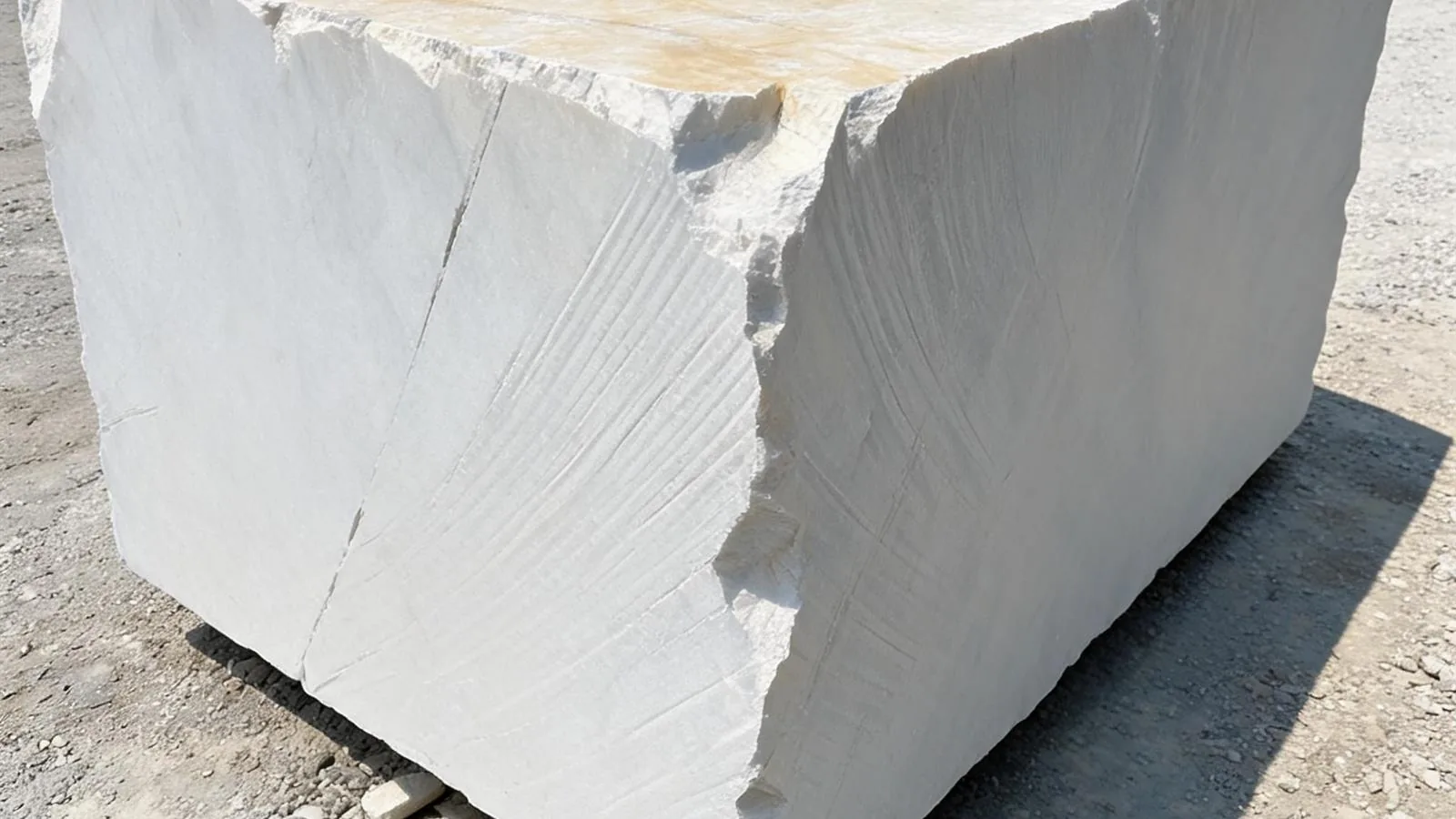
A hand sample can confirm general color and finish, but it cannot represent the movement of an entire block. For projects with prominent veining, procurement teams should review block faces, representative slabs or high-resolution production photographs. The approval should identify acceptable background tone, vein density, fissures, mineral marks and repair limits.
Different materials require different controls. Marble may require tight visual sequencing, while quartzite needs careful structural inspection because dramatic mineral movement can coincide with natural fissures. Explore the natural marble collection and current product portfolio before reserving a batch.
stone blocks and slabs: Build a measurable approval standard
Terms such as premium, uniform or first quality are too vague on their own. The purchase specification should define dimensions, thickness tolerance, flatness, squareness, finish, resin or mesh treatment, edge condition and the approved visual range. A signed control sample or approved batch photographs give both parties a practical reference.
For large floor or wall areas, ask the supplier to sort material into visual groups. Panels can then be assigned by zone so gradual variation reads naturally. Mixing crates without a layout plan is one of the easiest ways to create abrupt color changes on site.
stone blocks and slabs: Dry-lay inspection protects design continuity
Dry laying is especially valuable for lobby floors, feature walls, reception areas and book-matched installations. The factory arranges finished pieces in sequence, checks joints and visual flow, then records the layout before packing. Project teams can approve the arrangement remotely through photographs or video.
Every piece should carry a durable identifier linked to the drawing. Crates should also be labeled by floor, elevation or room. This turns the approved dry lay into an installation map and reduces unnecessary handling at the job site.
Plan for phased supply and future replacements
A multi-phase project should reserve enough material from the same production range whenever possible. Later quarry extraction can differ in tone or pattern, even when the commercial stone name remains unchanged. Include a reasonable spare quantity for breakage, future repairs and high-visibility replacement areas.
The supply schedule should connect approvals, production, inspection, packing, sailing time and site access. Early notice of design changes is essential because remanufacturing a few pieces may require reopening a completed batch or locating closely matching stock.
A transparent export workflow
Lexiang Stone’s company profile outlines its material expertise and international supply capabilities. The company supplies slabs, tiles and customized architectural components across a broad natural stone portfolio.
Procurement teams should request an itemized quotation showing material, processing, packing, estimated quantities, lead time and shipment terms. They should also confirm the approval process and the evidence provided before loading. This visibility is more useful than a low headline price that omits sorting, documentation or protective packing.
Frequently Asked Questions
Can natural stone batches be perfectly identical?
No. Natural variation is expected. Good batch management defines an acceptable range and arranges the material so changes appear controlled rather than random.
When is dry laying most important?
It is particularly useful for vein-matched walls, large lobby floors, patterned layouts and any area where adjacent pieces must create a continuous visual effect.
How much spare material should a project order?
The allowance depends on cutting waste, breakage risk, pattern matching and future maintenance. The designer, fabricator and contractor should agree on a project-specific percentage.
For additional planning, explore the Lexiang Stone product collection, contact the project team, and review independent guidance from the Natural Stone Institute.
Discuss Your Project
Share drawings, quantities, finishes and delivery requirements for a project-specific review.
No Comments