

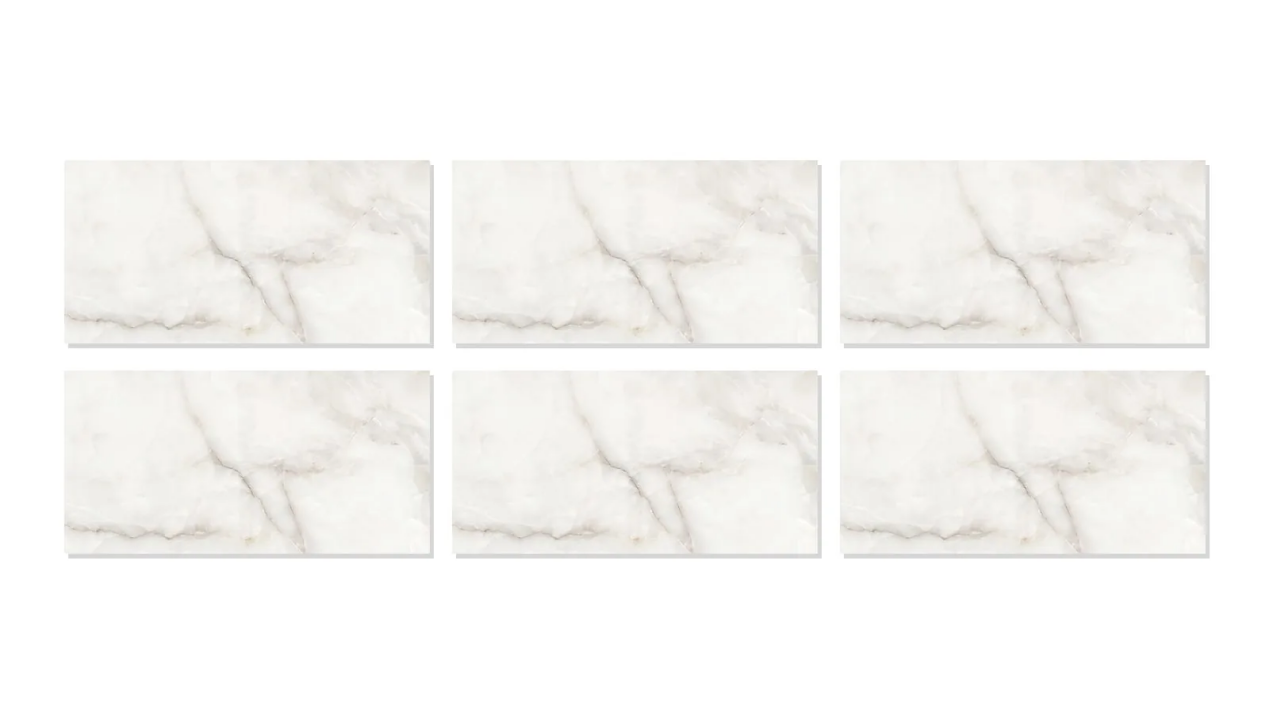
15 Oct Lightweight Strength: Sintered Stone Slabs for Facades and Countertops
Sintered stone slabs guidance starts with clear project requirements. How architects and fabricators evaluate large-format sintered or porcelain slabs for facades, counters and wall systems, with practical sourcing and quality-control guidance.
First, define the application and exposure conditions. Next, compare suitable materials against measurable requirements. In addition, confirm fabrication and inspection steps before production. However, approve the order only after the batch and documents match the specification. Finally, align packing and delivery with the construction schedule.
For example, match each finish to the installation area. Moreover, verify current batch photographs before approval. Consequently, the project team can identify visual variation early. Meanwhile, confirm drawings and tolerances with the fabricator. Similarly, align inspection records with crate labels. Therefore, resolve substitutions before production. Finally, retain approved samples for delivery checks.
Large-format sintered and porcelain surfaces give architects a useful combination of low water absorption, controlled appearance and relatively slim profiles. They can create continuous facade modules, lobby walls, elevator interiors, kitchen islands and countertops without the mass of thick natural stone. That advantage depends on correct engineering, fabrication and handling.
A reliable export partner should do more than quote a slab price. The supplier must confirm format, thickness, finish, batch consistency, fabrication limits, packing method and the technical documentation required by the destination market. Lexiang Stone coordinates these steps for project buyers, contractors and fabricators.
sintered stone slabs: What makes large-format sintered surfaces useful
Sintered surfaces are produced from mineral-based raw materials that are compacted and fired at high temperature. The manufacturing process creates a dense surface with low absorption and good resistance to heat, ultraviolet exposure and common stains. These characteristics make the material attractive for wet areas, exterior applications and high-use interiors.
Browse the Lexiang Marble product collection to compare large-format natural stone aesthetics for contemporary architectural surfaces. Products such as Calacatta Oro can be reviewed as part of a wider finish and application study rather than selected by pattern alone.
sintered stone slabs: Lightweight does not remove engineering requirements
A thinner panel reduces dead load, but it also changes handling and support requirements. Large sheets can flex during transport and may chip at corners or cutouts if carried without a rigid frame. Facade systems must be designed for wind load, thermal movement, anchoring and local code requirements. Countertops need continuous, level support and correctly detailed openings.
The project team should verify the specific product data rather than assume every sintered slab has identical performance. Thickness, backing, reinforcement, surface texture and manufacturing method can affect the recommended application. Structural calculations and installation details remain the responsibility of qualified project professionals.
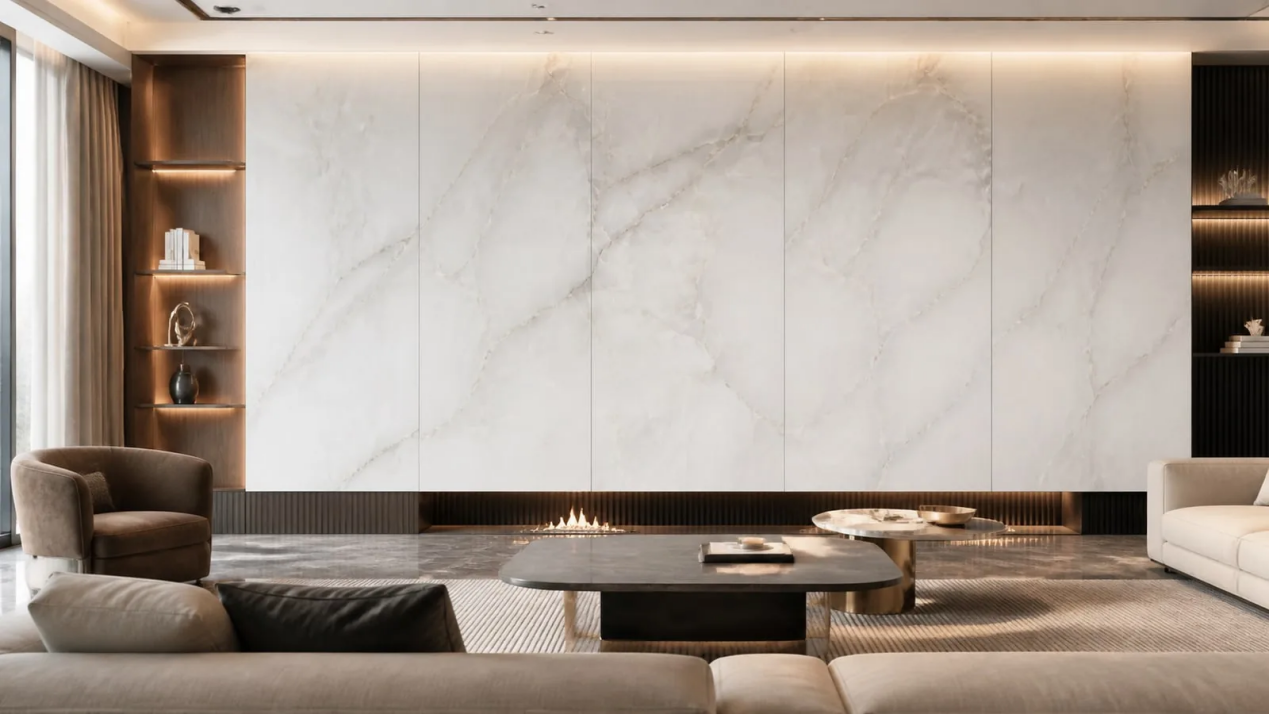
sintered stone slabs: Fabrication details that protect the slab
Accurate digital templating and suitable cutting equipment are essential. Internal corners should be detailed to reduce stress concentration, and cutouts need adequate clearance from edges. Mitered profiles, waterfall ends and integrated sinks increase fabrication complexity and should be evaluated before material is reserved.
Trial cutting is sensible when a fabricator has not previously worked with the selected material. Tooling, feed speed and water supply should follow product guidance. Finished parts require protective edge packing and clear labels so installers can identify orientation without repeatedly moving fragile components.
Facade and countertop specification checklist
For facades, confirm panel size, thickness, finish, subframe, fixing system, joint width, wind-load criteria, fire requirements and replacement strategy. For countertops, confirm cabinet support, overhangs, cutouts, seam positions, edge profile, appliance clearances and transport access.
In both cases, approve a representative sample or production batch under realistic light. Printed or mineral patterns may repeat, so the layout should be checked across several slabs. Ask for batch photographs, quantities by crate and identification labels that match the shop drawings.
Export quality control and delivery planning
Lexiang Stone’s company profile introduces its material and project capabilities. Large-format panels are packed to limit movement and protect corners during ocean freight and inland handling.
Send the bill of quantities, drawings, destination port, required delivery sequence and applicable technical standards when requesting a quotation. Clear information at the start helps the supplier plan slab yield, production time and container loading accurately. For project support, use the Lexiang Marble contact page.
Frequently Asked Questions
Is sintered stone the same as porcelain?
The terms can overlap in the market, but product composition, manufacturing process and technical classification vary. Always review the specific manufacturer data sheet.
Can thin slabs be used outdoors?
Some products are suitable for exterior use, but the facade system, anchors, wind load, thermal movement and local code must be verified for the project.
What causes chipping during fabrication?
Unsupported sheets, unsuitable tooling, sharp internal corners, excessive feed speed and poor handling can all contribute. Experienced fabrication and trial cutting reduce risk.
For additional planning, explore the Lexiang Stone product collection, contact the project team, and review independent guidance from the Natural Stone Institute.
Discuss Your Project
Share drawings, quantities, finishes and delivery requirements for a project-specific review.
No Comments